



Many Faces of the Galapagos
The Galapagos Islands contain a unique combination of land and oceanic ecosystems, with many distinct habitats found in each. The Galapagos are located at the point where major ocean currents meet and the islands straddle the junctions between several shifting tectonic plates.
This area is truly unlike any other place on earth. 
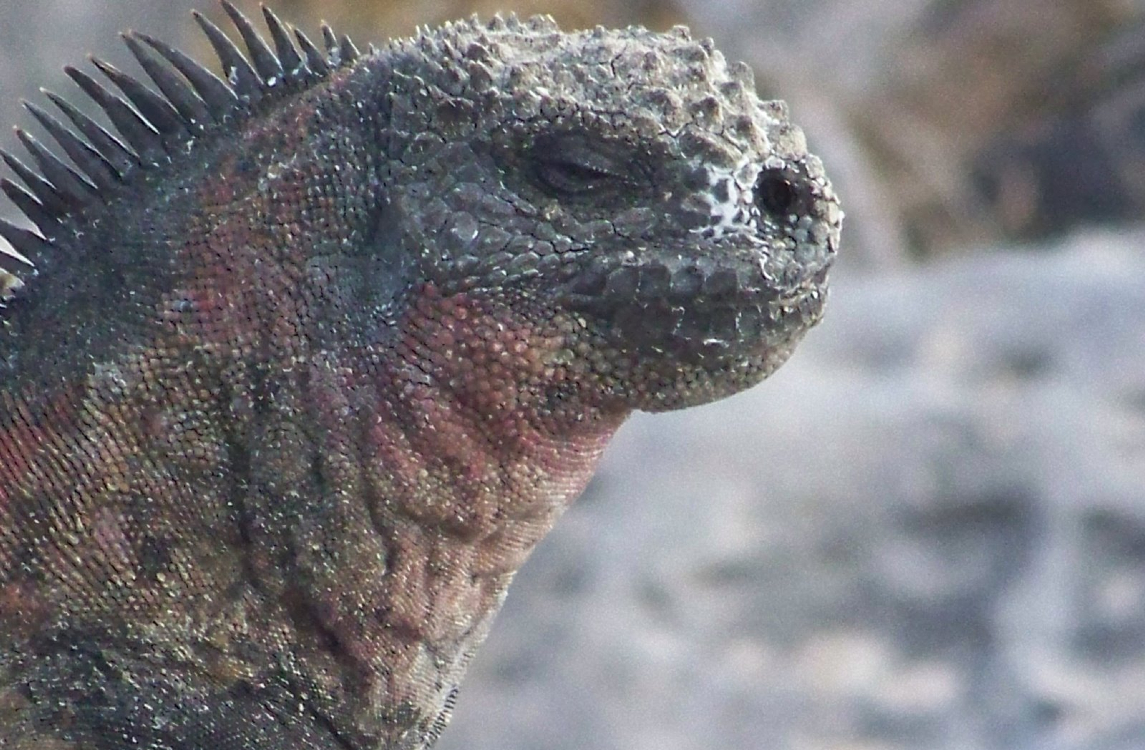
The Galapagos Marine Reserve (GMR), one of the world's largest protected areas, has more than 2,900 reported marine species and over 18% of those live nowhere else on earth. Some of the best known coastal animals of Galapagos include sea lions, fur seals, flightless cormorants, albatrosses, three species of booby, two frigatebird species, sea turtles, the marine iguana, and penguins.
The Galapagos National Park Service works hand in hand with the Charles Darwin Research Station implementing their common goals of conservation and preservation of the natural resources with the Galapagos National Park and Galapagos Marine Reserve. The park service approves all itineraries of boats visiting the islands making sure that the tourism is distributed evenly throughout the islands. They also work as the licensing board for guides in the islands.
Meet the Inhabitants
 |
From the time you arrive in the Galapagos until the time you depart, you will be accompanied by the naturalists who are there to instruct as well as to protect the inhabitants and the land. Zodiac Exploration Some of the excursions that you can select will be labeled as "low intensity". Those trips will typically include a zodiac ride along the island exploring from the water. The driver will get close to land, but yet the inhabitants that you'll be viewing won't be in any harm or show any concern for your presence. They'll go about their day, most likely just resting on the rocks or looking out to sea. |
|
Explore on Foot Many Faces of Galapagos (117 photos)
Here are some of the faces of Galapagos that you'll see when you explore the archipelago. Some of them only a mother could love while others are so cute you'll fall in love with them at first glance.
 |
Diary of Celebrity Xpeditions Galapagos A Land Beyond Xpectations
Over one hundred fifty years ago, a man wrote about his quest that took him to a place where he would discover how life evolved thousands of years ago. Travel with us as we follow in his footsteps and discover a land that is inhabited by species that can be found nowhere else on earth. (click image)

|

